CARE + KEEPING
These things were made to live with you.
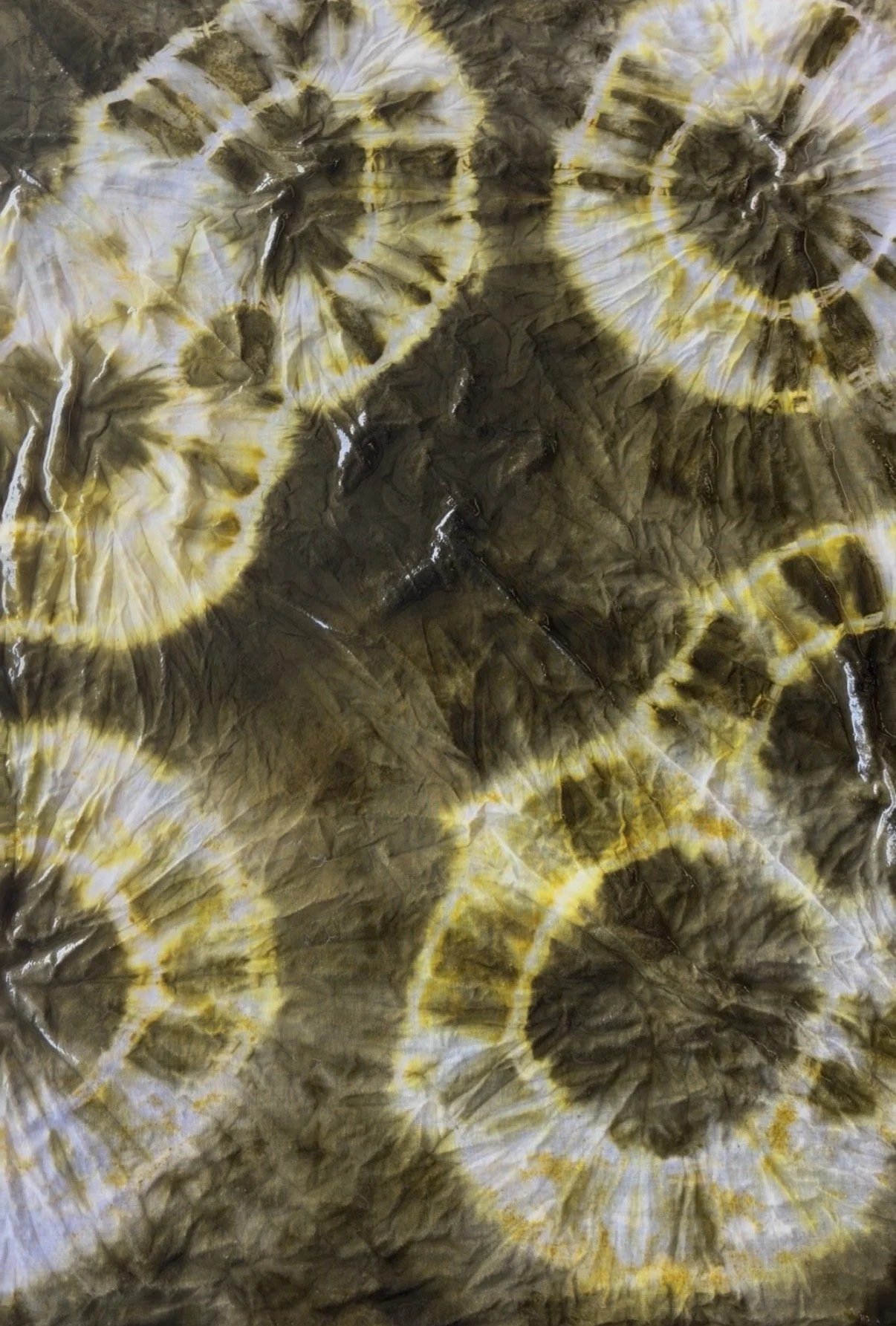
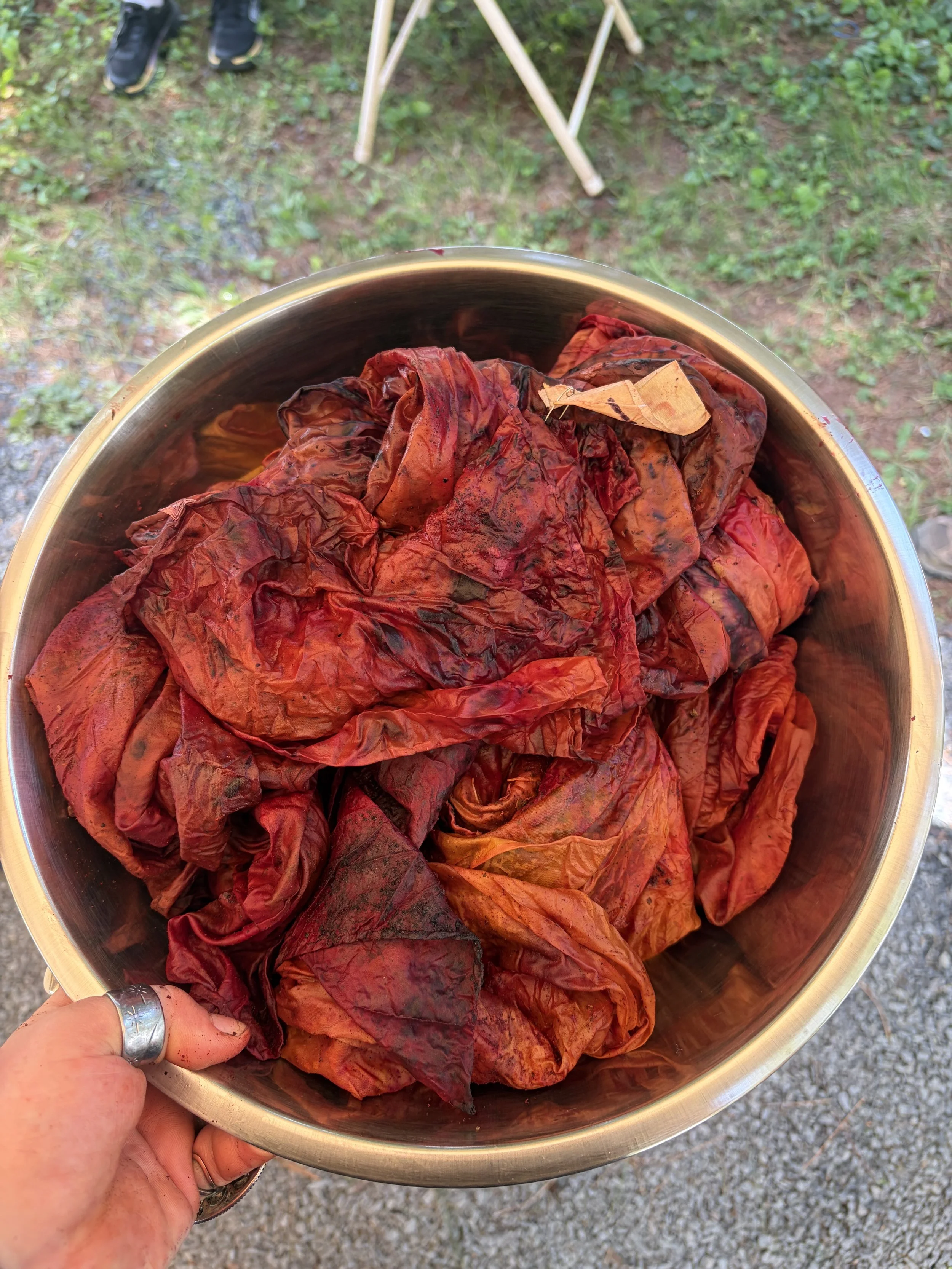
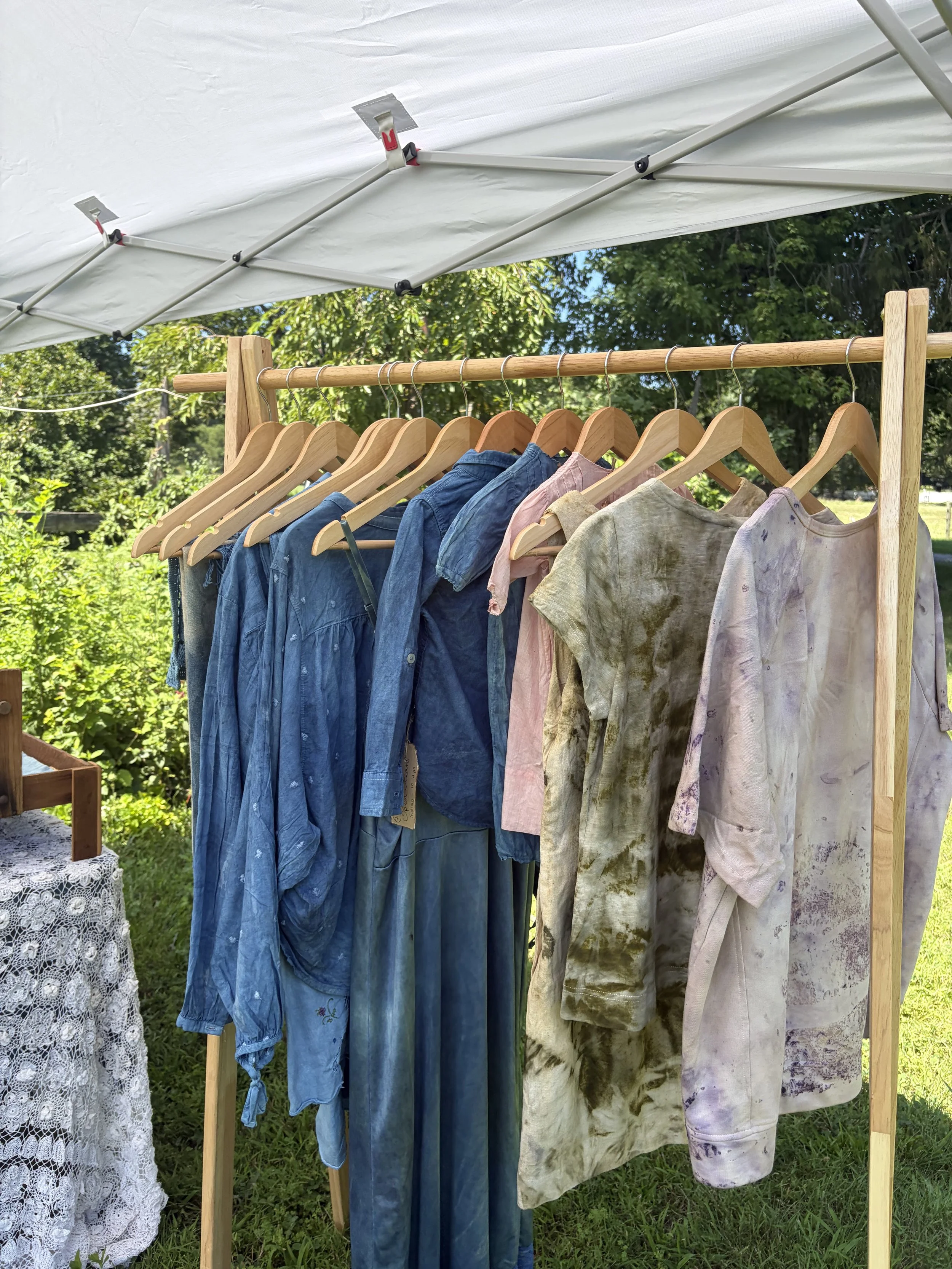
Natural color has a life of its own. With time, sunlight, water, wear, and use, you may notice subtle shifts in color and character. That is part of working with plants, earth, and other natural materials.
A little care goes a long way. Here are the best ways I’ve found to help your KRAUSHAUS pieces live long, beautiful lives.
NATURALLY DYED TEXTILES
Naturally dyed cloth is meant to be worn and used — don’t be afraid of it.
Wash in cold water on a gentle cycle or by hand with a mild, pH-neutral detergent. Avoid bleach, OxiClean, stain removers, brighteners, and harsh cleaning products, as they can shift or remove natural color.
Hang or lay flat to dry when you can. For pieces you aren’t using regularly, store them clean and dry, away from long periods of direct sunlight.
And please, wear the thing. A scarf tucked safely in a drawer its whole life isn’t much of a life at all.
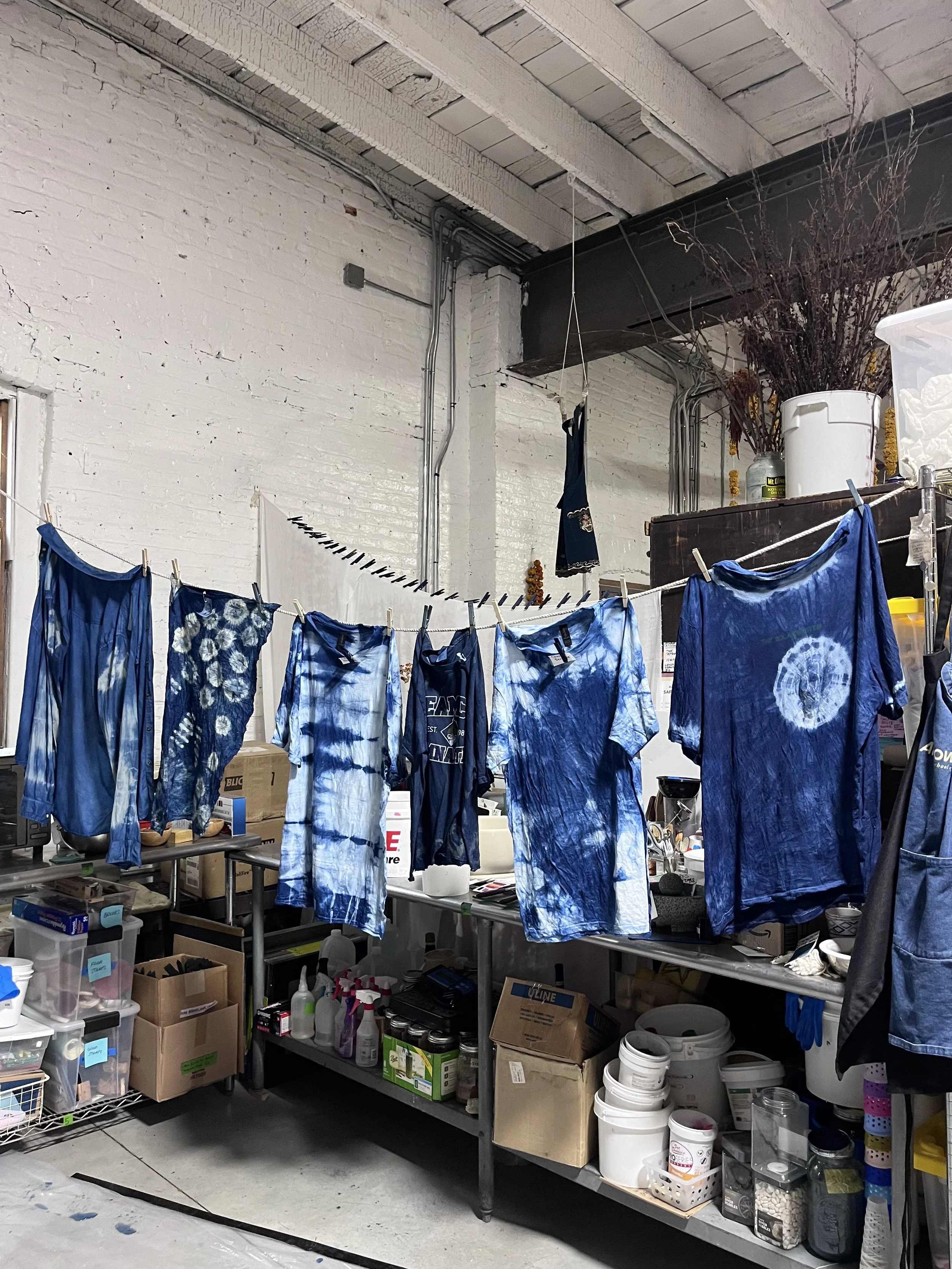
INDIGO
Indigo is a little different from my other natural colors.
You may notice a small amount of blue rubbing or washing away at first, especially on deeply dyed pieces. This is called crocking and is a natural characteristic of indigo. I recommend washing indigo separately or with other dark colors for the first few washes and being mindful around very light upholstery or clothing.
Wash cold with a gentle detergent and hang or lay flat to dry.
Over years of wear, indigo develops its own beautiful character — softening and changing in the places your hands and body touch most. Let it become yours.
BOTANICAL + ECO PRINTS
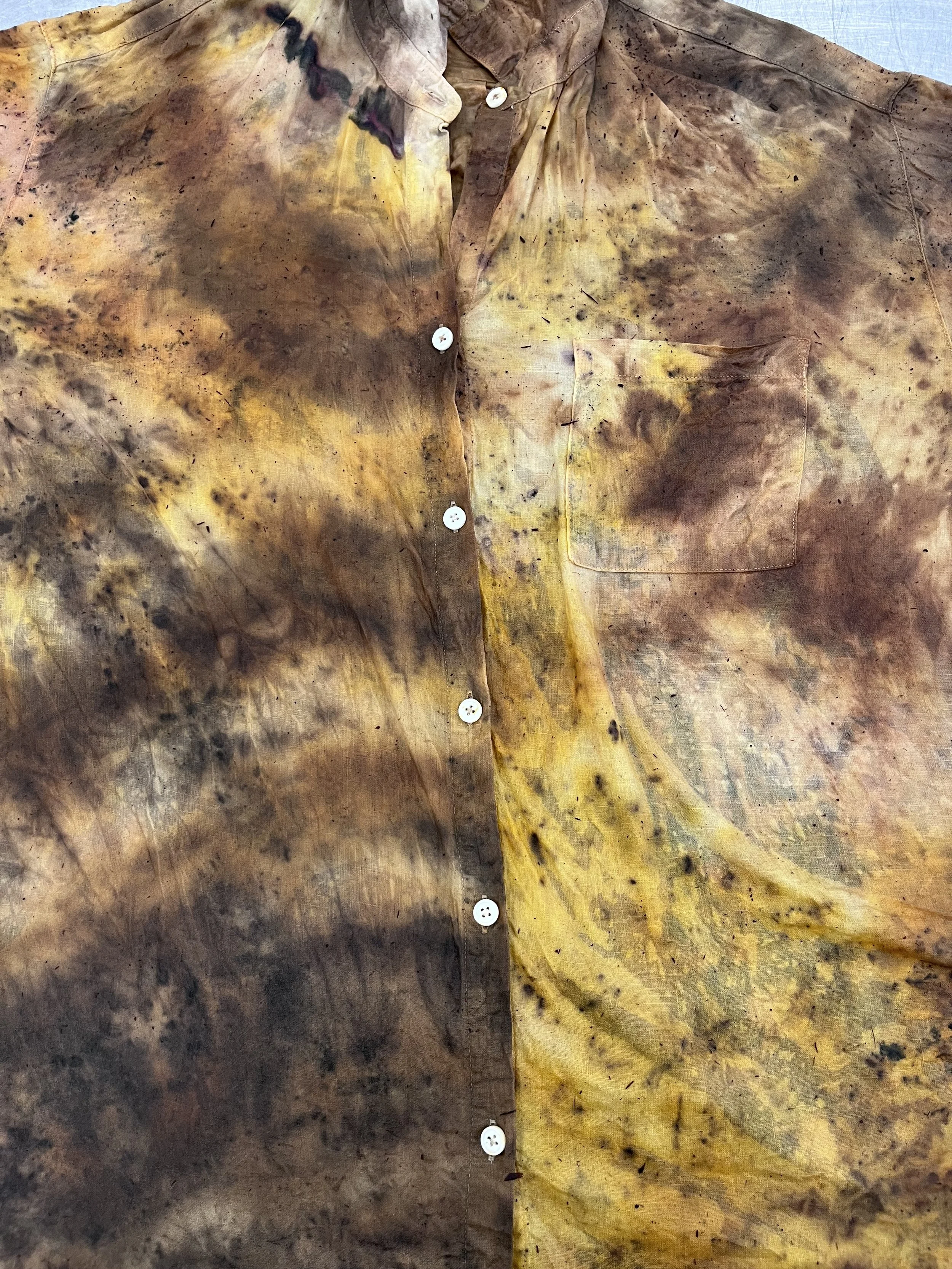
Botanical color is made directly from leaves, flowers, bark, and other plant matter, and deserves a little tenderness.
For wearable and functional textiles, wash cold and gently with a mild detergent, avoiding bleach, OxiClean, stain treatments, and harsh cleaners. Hang or lay flat to dry.
For botanical prints made as artwork, I recommend framing them behind UV-protective glass or acrylic and keeping them away from strong, direct sunlight and very damp spaces. Just like dried flowers, old photographs, and other natural things, botanical colors may slowly change with time.
I don’t necessarily see that as losing the work. It is another chapter of it.
NATURAL PIGMENT + WATERCOLOR SHELLS
My watercolor shells are made from pigments I process by hand from stones, earth, plants, and other gathered materials. Because of this, every color behaves a little differently.
To use yours, wet your brush and gently work a small amount of water into the surface of the pigment. Give it a moment to wake up, then paint as you would with traditional watercolor. Some earth pigments are beautifully sheer while others are heavier, grainier, or more opaque. Build your color slowly and experiment with how it moves.
When you’re finished, leave the shell open until the pigment is completely dry before storing it away.
These aren’t factory-made colors engineered to behave identically. Their little differences are part of what I love about them.
GENERAL KEEPING
Use it. Wear it. Mend it. Let it age.
I don’t make KRAUSHAUS pieces with the expectation that they remain untouched and exactly the same forever. Cloth softens. Indigo wears in. Natural colors can shift. Objects collect evidence of the lives they’ve lived.
Care for what you have, repair it when you can, and keep it in use for as long as it still has something to give.
And if something happens — a strange stain, a washing mishap, a question about framing, fading, repairing, or caring for a particular piece — reach out to me.
I’d much rather help you care for something than have you be afraid to use it!
Made to be used. Made to be kept.